
Project for Britannia Mine Museum
mixed media
2019
Nelson Machinery Company opened their modern two-storey office building in June of 1963, at 1255 Welch Street in North Vancouver. Founded in Nelson, BC by John Henry McMullen Greenwood (1908-1992), the company had developed a successful business in new and used mine and processing-plant equipment. Before starting Nelson Machinery in 1938, Greenwood had begun work at the age of 13 for the Hudson's Bay Company, later becoming a fur trader and bush pilot; he also ran a hardware store, grocery store and fur shop. In 1954, he moved the head office of Nelson Machinery to North Vancouver.
In the main floor lobby and reception area of the new building, visitors were greeted by an impressive display – dozens of colorful wall-mounted panels of ore samples in low relief, each selection taken from a different BC mine, all customers of Nelson Machinery. The minerals were hand-set in 1' x 2' beds of mortar, with brass name-plates identifying the mines they came from.
The panels were made by Gino Lenarduzzi (1917-2003), a skilled artist and master craftsman in mosaics. Born in Spilimbergo, Italy, he trained there in the pre-eminent European mosaic school, the Scuola Mosaicisti Del Friuli. After working throughout Europe – Italy, France, Germany and Switzerland – he came to Canada in the late 40s and established a tile-setting business in North Vancouver. In the early 60s, he was approached by J.H.M. Greenwood to make the display panels for Nelson Machinery.


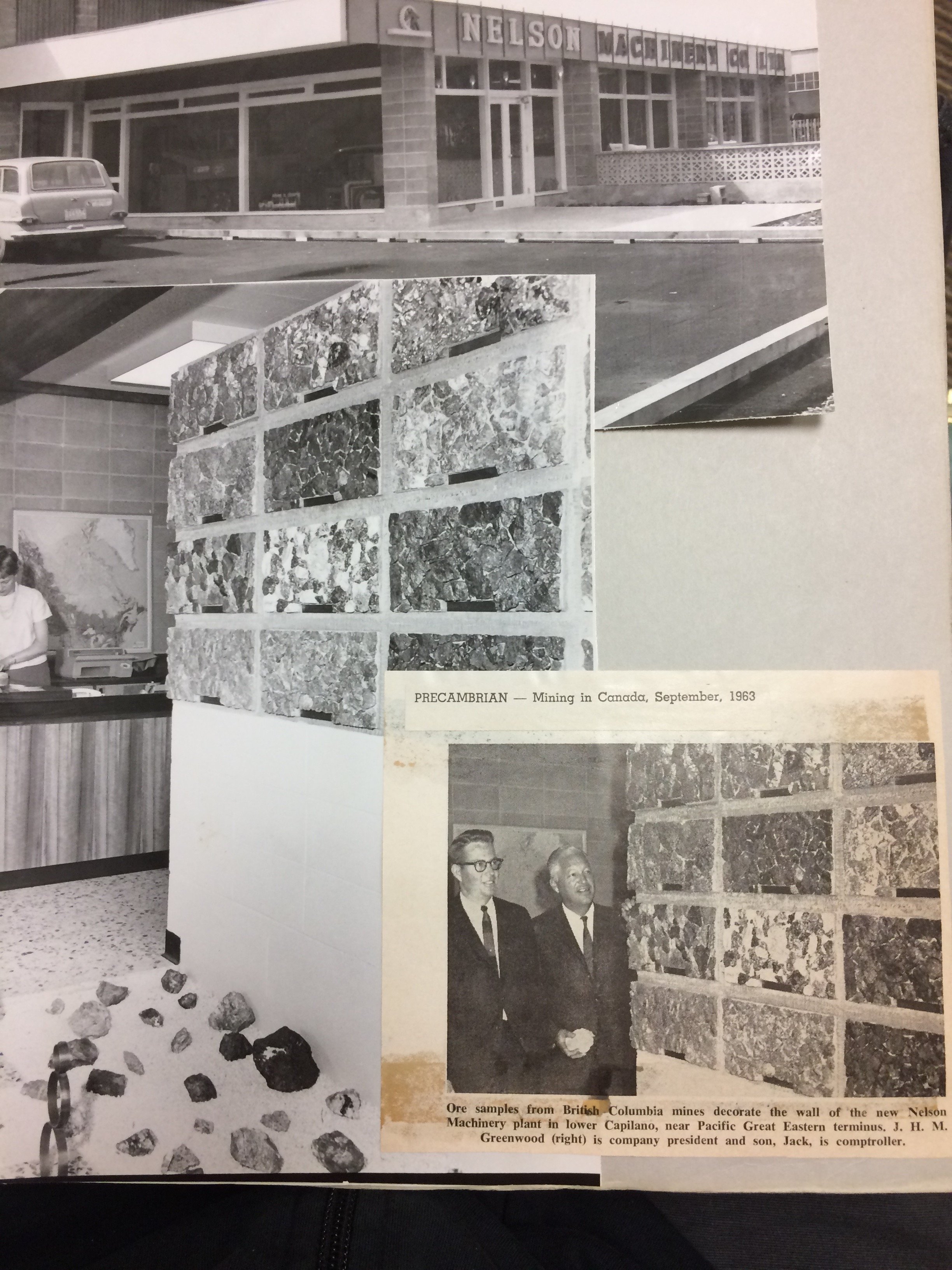
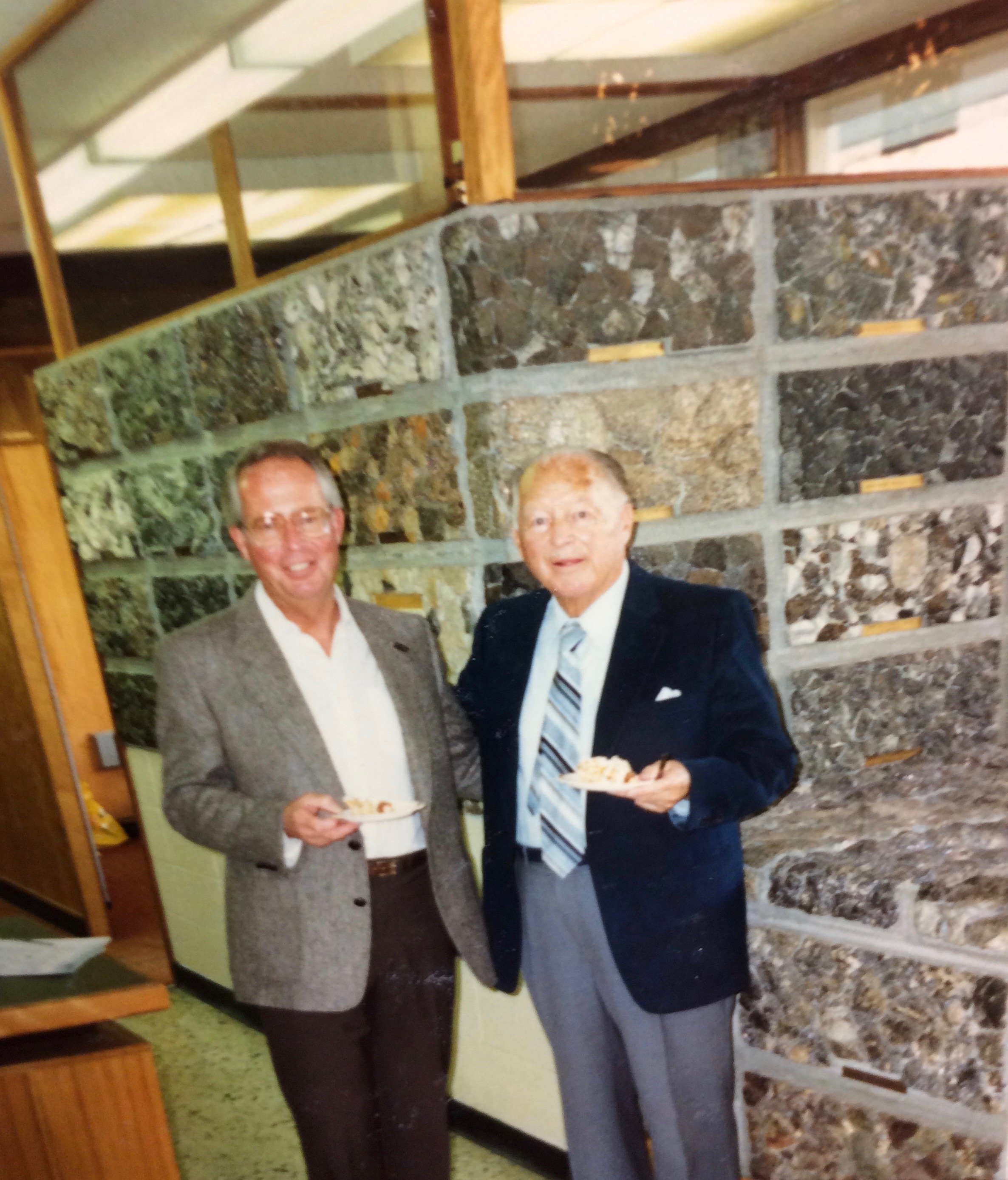
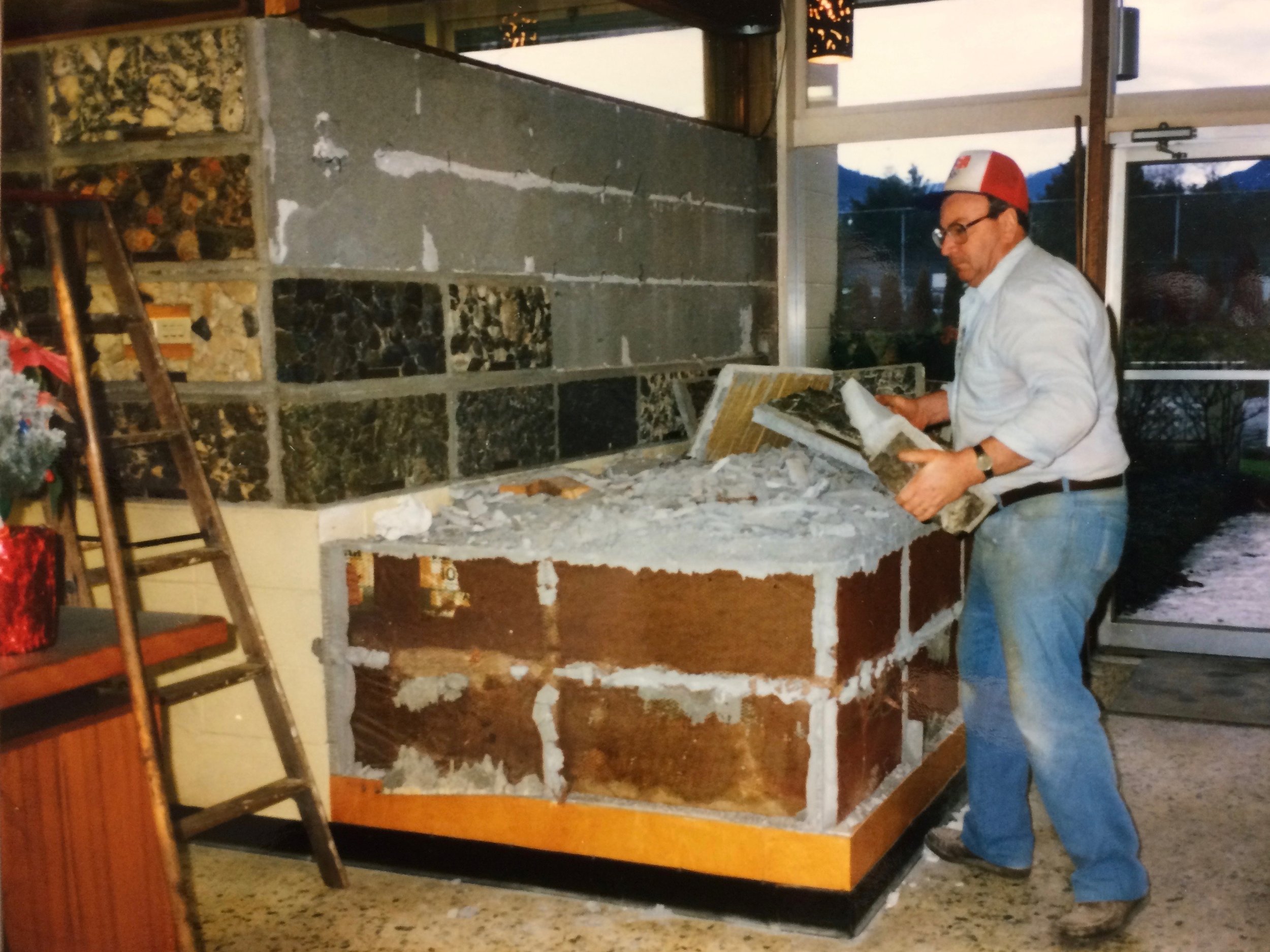

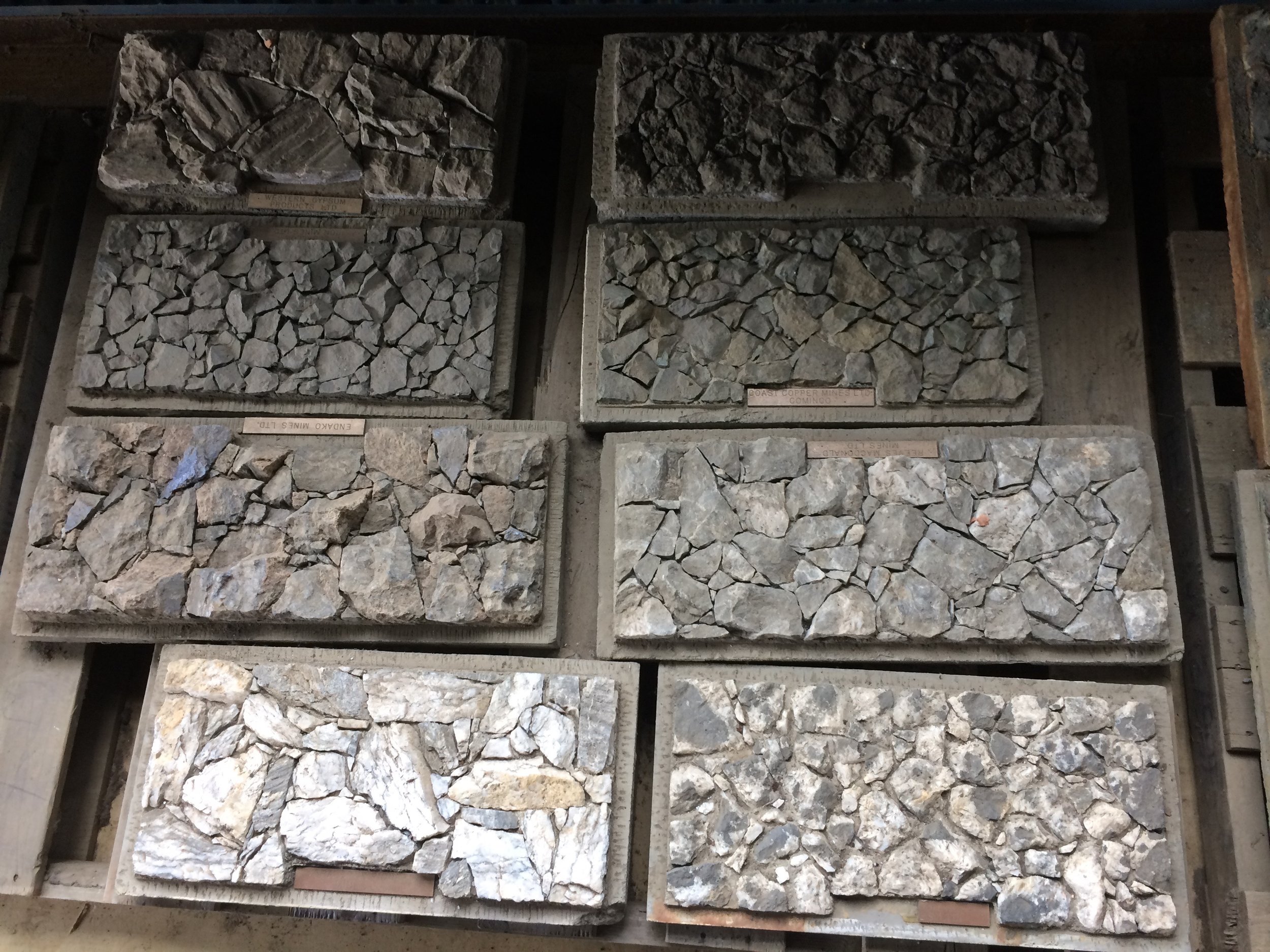


Lenarduzzi's beautifully conceived and executed panels presented the actual physical material on which the extensive mining industry of British Columbia was founded. As tangible, palpable artifacts of wide-spread exploration, they showed directly the vast range of mineral riches within the province's geology, in a unique way that was immediately and visually accessible. They literally brought to light and grounded the remote and inaccessible abstractions of hard-rock mining, shown as real things that could be seen and felt. As an index of mines past and present, they formed an invaluable historic record of western regional mining at its height, in their literal relation to places in a working landscape. Between 1963 and 1986, Lenarduzzi produced seventy different samples for the lobby, from mines throughout BC, Alberta and the Yukon.
But throughout the 70s and 80s the fortunes of mining in BC dramatically changed, and Nelson Machinery underwent substantial downsizing and restructuring. When the Welch Street office finally closed in 1986, the samples were carefully removed and sent to the company's regional warehouse, in Savona, BC. In July of 1988, the Vice-President of Nelson Machinery, Matt Dunsmore, donated the extant 68 plaques to the BC Museum of Mining at Britannia Beach, BC. They were shipped there on pallets and lay in storage for 30 years.
Jack B. Greenwood (1936-2012), the son of J.H.M. Greenwood, served on the Honorary Advisory Board of the BC and Yukon Chamber of Mines, working on a Centennial project to develop a museum dedicated to the history of mining in BC, and pushed for the historic Anaconda mine site at Britannia Beach as the location for the new museum. Jack Greenwood served as General Manager of Nelson Machinery before becoming President in 1974; widely active in the business community, he was also President of both the North Vancouver Chamber of Commerce and the BC Chamber of Commerce. The BC Museum of Mining (now the BC Mine Museum) was opened on May 24, 1975, 6 months after Anaconda closed down its copper mine on the site. Greenwood became the first Director of the Museum, a position he held until 1980.
* * *
On January 18, 1974, The Sheraton Landmark Hotel was opened at 1400 Robson Street in downtown Vancouver. The 42-story building was a $12 million venture by Ben Wosk, designed by the architectural firm Lort and Lort. It was at the time the tallest hotel in Vancouver; its signature Cloud 9 revolving restaurant on top made it an immediate attraction, with commanding views of English Bay and the Northshore mountains.
Ben Wosk (1913-1995) was a Vancouver businessman, entrepreneur and philanthropist who, along with his brother Morris, developed a number of high-rise hotels and apartment buildings in Vancouver's West End and throughout the city. Arriving from Russia in 1929, the brothers built up a successful furniture and appliance business before moving into real estate. While the Sheraton Landmark was in development, it seems apparent that Ben Wosk had become familiar with the Nelson Machinery front-office samples; he must have known Jack Greenwood and arranged with Lenarduzzi for an expanded version of the ore samples. Identical in format to those in Nelson Machinery's head office produced ten years earlier, these pieces were also all hand-made by Gino Lenarduzzi.
These were prominently displayed on the street facade of the Sheraton Landmark, flanking the main entrance. Two large panels, each ten feet high and fourteen feet wide, were arranged in grids of 10 rows and 7 columns; each held 70 one-foot by two-foot panels of mineral samples from mines around British Columbia. This collection of 140 panels formed the greatest array of ore samples ever publicly displayed in Vancouver. Wosk named the piece Tribute to Mining, and it was a feature of the Sheraton Landmark for over 20 years.
After Work’s death, the property was bought by Asia Standard International Group in 1997, the name was changed to Empire Landmark, and an extensive renovation was conducted for the owners by architects Musson Cattell Mackey Partners. The facade was replaced with walls of polished black granite, and Tribute to Mining disappeared forever. It is now presumed to have been destroyed during the renovation; there is no evidence that any attempt was made to preserve it..
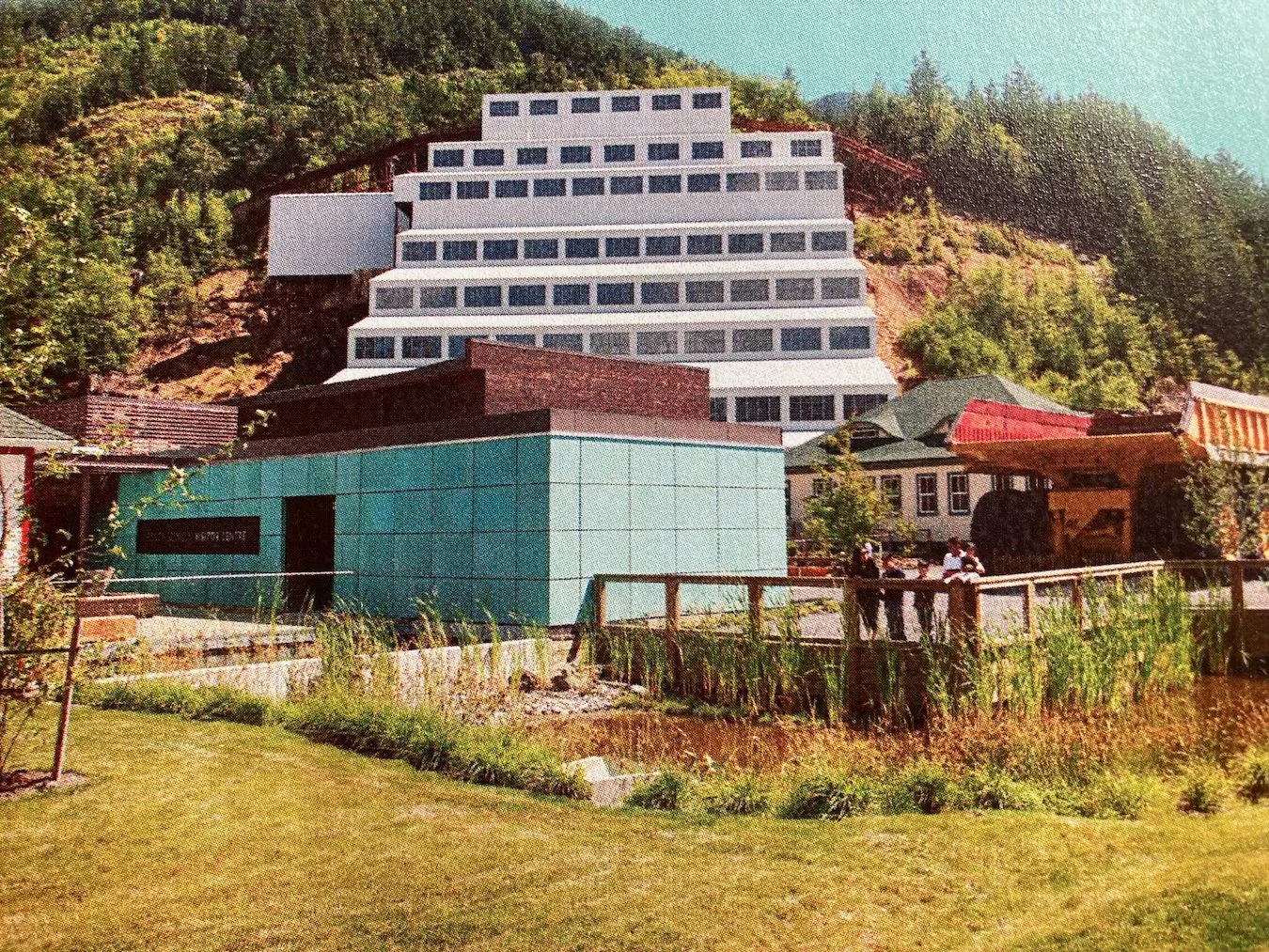
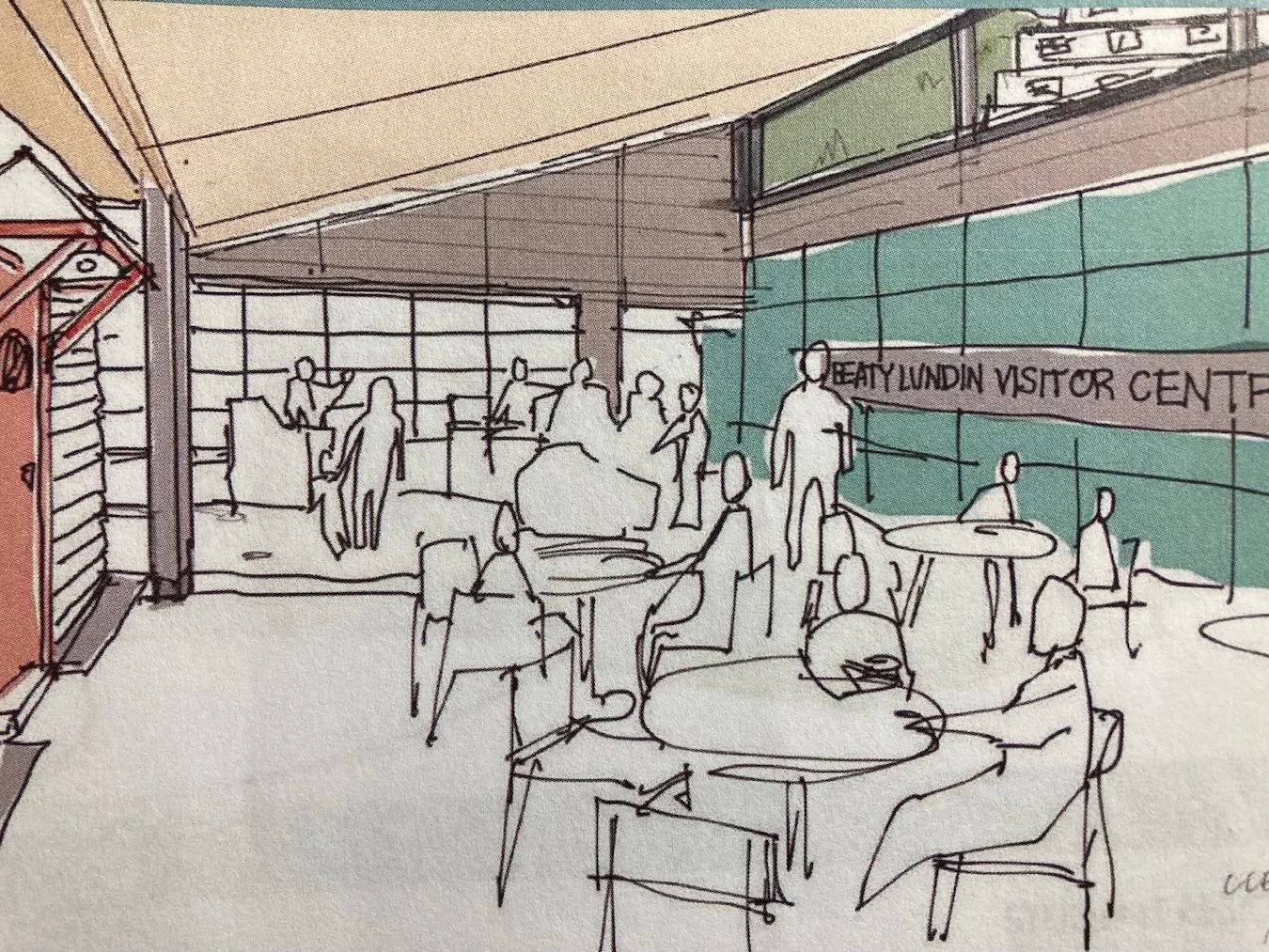
Fortunately, nearly 70 of the original samples created by Lenarduzzi for Greenwood's Nelson Machinery office were saved; they were donated to the Mine Museum in 1988 and have now been restored for permanent display. The works are to be installed in the proposed Beaty Lundin Visitor’s Centre at the BC Mine Museum. They represent the initial inspired vision of J.H.M. Greenwood, and the skilled craftsmanship of the mosaicist Gino Lenarduzzi, who together devised an expansive method for imagining the breadth and depth of mining in BC.
We wish to acknowledge the following for their commitment toward seeing this project realized:
Doug and Sylvia Forster, Featherstone Capital; Cheryl Hendrickson, Director, BMM; Kirstin Clausen, Former Director, BMM; Diane Mitchell, Former Curator, BMM; Susan Parsons, Nelson Machinery; Nadine Power, Conservator